
Cities worldwide are experimenting with new approaches to resilience as climate risks intensify. Urban planners and startups are exploring how green infrastructure supported by technology can deliver sustainability and faster recovery when disasters strike.
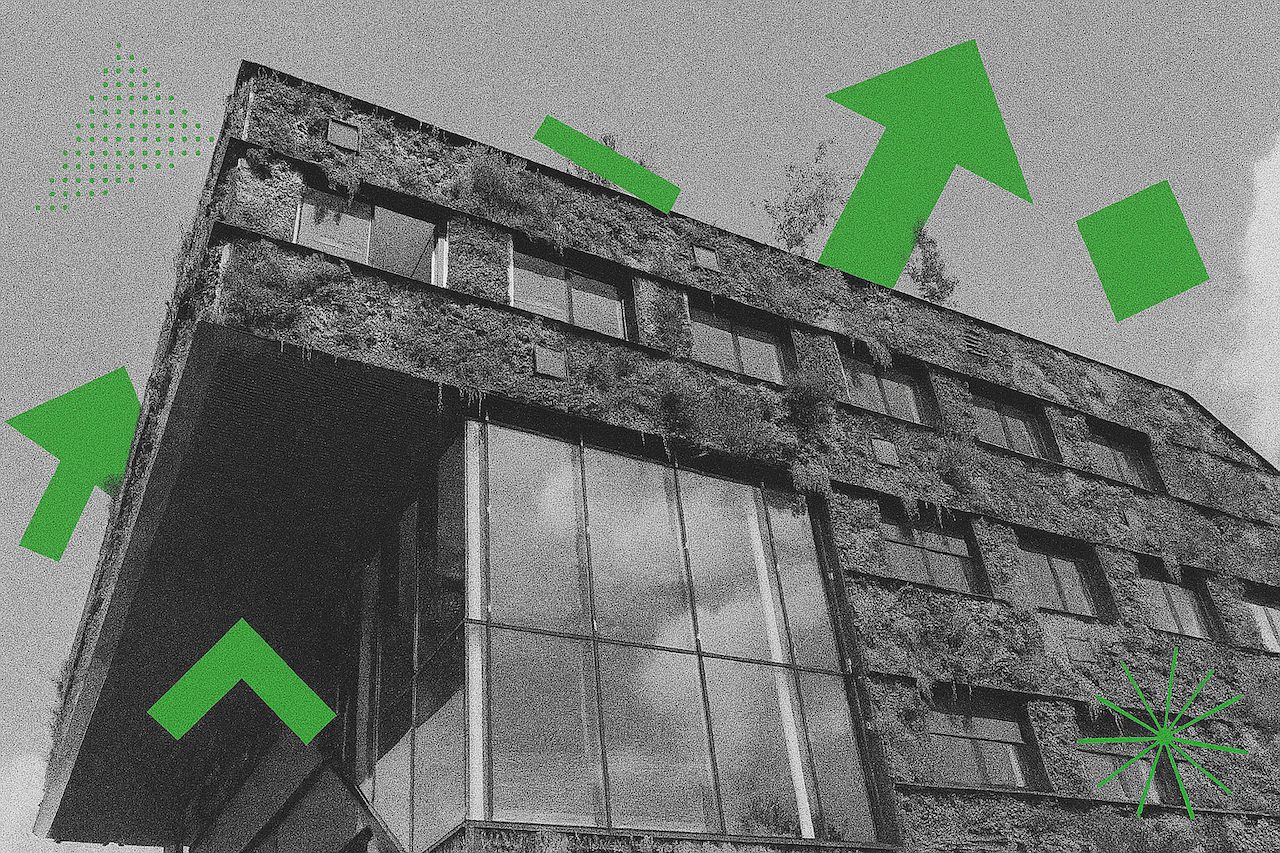
Cities worldwide are experimenting with new approaches to resilience as climate risks intensify.
While concrete seawalls and floodgates still dominate the landscape, more planners and startups are exploring whether green infrastructure supported by technology, which can deliver both sustainability and faster recovery when disasters strike.
Nature-based approaches like bioswales, urban tree cover, and restored wetlands help absorb water, reduce surface heat, and support local biodiversity. But in many cities these solutions are still treated as secondary to engineered systems.
“We’ve found that most cities we’ve consulted on do not treat green and grey infrastructure as opposing forces. Instead, they’re building hybrid frameworks,” said Leah Miller, Marketing Strategist at Versys Media. She noted an island city in Southeast Asia where levees were combined with bioswales and green belts, managed through real-time telemetry. “What made that work was guiding both systems simultaneously.”
A growing number of startups have begun experimenting with ways to layer technology onto natural systems.
Netherlands-based Rain(a)way, for example, creates permeable paving that channels excess water into underground reservoirs to ease stormwater surges. Australia’s FloodMapp provides real-time predictive flood mapping used by local governments and insurers to deploy resources in advance of flooding.
“Startups tend to come in with more agility and urgency than big urban developers,” Miller added. “A lot of them skip pilot paralysis and go right into MVP deployment with community partners.”
Mark Sanchez, Founder of Gator Rated, points to projects linking flood-monitoring technology with planted bioswales. “One venture pairs flood-monitoring apps with bioswales, sending real-time alerts to residents based on soil saturation,” he said. “These tech-nature hybrids lower both insurance premiums and municipal maintenance costs, which is critical for cash-strapped towns.”
Energy independence is another important piece of the puzzle. Distributed clean energy can provide continuity during blackouts while lowering emissions.
“We see firsthand how green infrastructure and smart technology can give cities a real edge in disaster resilience,” said Phill Stevens, Founder and CEO of Avail Solar. “Rooftop solar combined with battery storage isn’t just about lowering power bills, it keeps critical systems running during grid failures from storms or heat waves.”
Experts agree that the most promising strategies combine nature-based infrastructure with digital monitoring and control systems, allowing cities to respond faster when conditions change. As Eugene Leow, Director of Marketing Agency Singapore noted: “The future will likely be hybrid: living infrastructure supported by smart monitoring, creating cities that respond dynamically to extreme weather rather than simply endure it.”
For now, adoption remains uneven. But as pressure mounts on municipalities to both manage costs and adapt to climate volatility, a hybrid approach may prove to be the most practical path forward.